
What First-Time Buyers Can Expect From a Home Inspection
Buying your first home is a lot to manage, and the inspection is one of the steps that tends to generate the most questions. What does the inspector actually look for? How long does it take? What happens when something shows up in the report? If you've been wondering any of this, you're not alone, and it's worth knowing what to expect before that day arrives, not after.
What a Home Inspector Is Actually Checking
A standard home inspection is a visual assessment of the property's condition at the time of the visit. The inspector moves through the home systematically, looking at the structure, major systems, and components that affect how the house holds up over time.
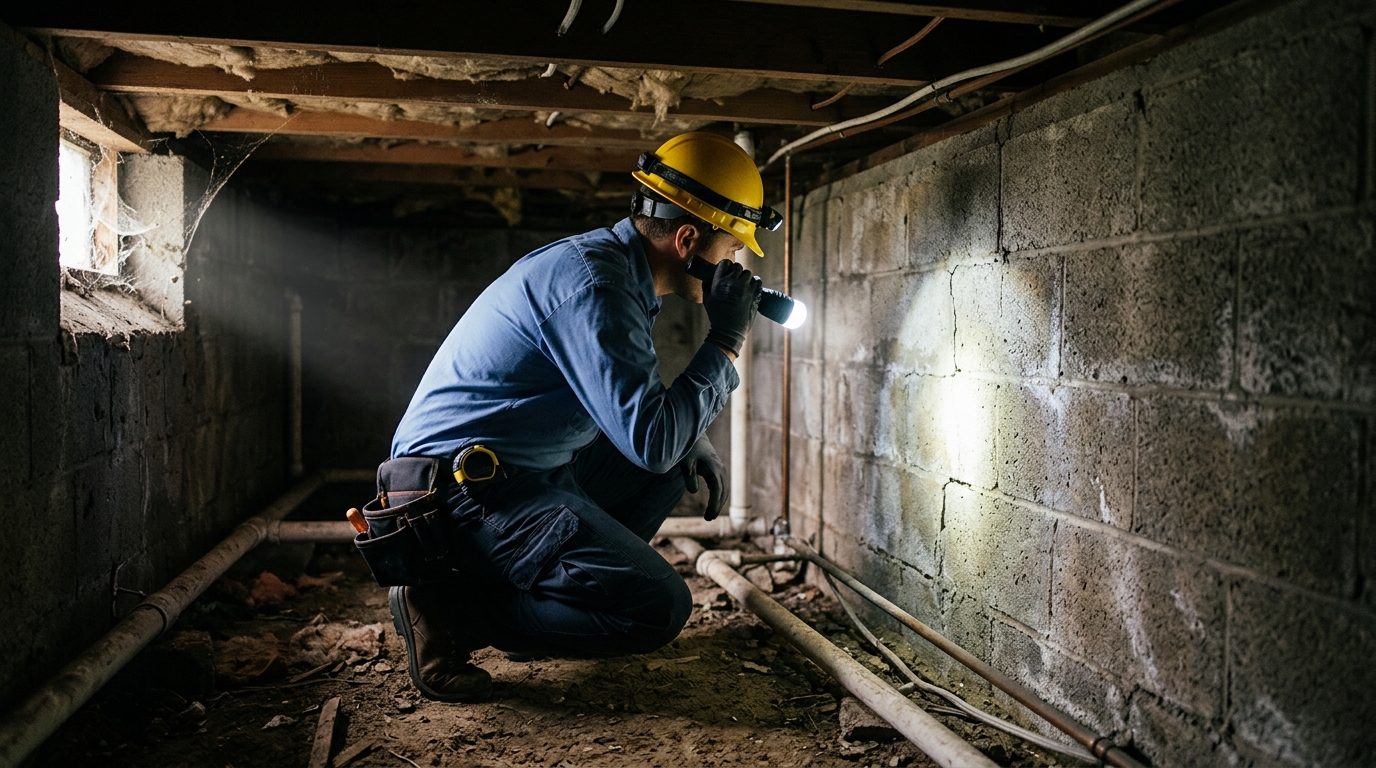
That includes the roof, foundation, exterior grading, attic, insulation, walls, ceilings, floors, windows, and doors. Inside, the inspector evaluates the electrical panel and visible wiring, the plumbing supply and drain lines, the HVAC system, water heater, and any built-in appliances that come with the home. The crawlspace and basement get attention too, since that's where moisture problems and structural concerns often show up first. Our team at Delta Residential also takes a close look at areas like crawlspaces and attic spaces that buyers rarely see before closing.
What home inspections don’t cover: cosmetic issues like scuffed paint or worn carpet. The focus is on systems and components that affect safety, function, or the structural integrity of the home.
How Long It Takes and Whether You Should Be There
Most inspections run between two and three hours, depending on the size and age of the property. Older homes, homes with larger square footage, or homes with detached structures typically take longer. A newer build in good condition may take closer to two hours.
If possible, you should plan to be there for the inspection, especially for the walkthrough at the end. Buyers who attend can ask questions in real time, see issues firsthand rather than just reading about them, and get a clearer sense of what's a minor maintenance note versus something that warrants a closer look. Our inspectors at Delta Residential walk buyers through what they've found at the end of every inspection, so you leave with an actual understanding of the home, not just a PDF to sort out later.
If attending isn't possible, that's okay, too. The written report will be thorough, and you can follow up with any questions.
Reading the Report Without Panicking
First-time buyers often get the report and immediately start adding up worst-case scenarios. A long report doesn't mean a bad house. It usually means a thorough inspector. Every home has something to document, even a property that's only a few years old.
Reports are typically broken into sections by system and use clear language with photos attached to each finding. Items are usually categorized by severity: things that need immediate attention, things to monitor, and things that are informational. Focus on the first category first.
The most commonly overlooked issues found during inspections tend to be in areas buyers don't know to look: attic ventilation problems, grading that directs water toward the foundation, or signs of past moisture intrusion in the crawlspace. These don't always show up during a casual walkthrough.
Once you understand what the findings actually are, your agent can help you decide whether to request repairs, ask for a price adjustment, or accept the home as-is.
Add-On Tests Worth Considering
A standard home inspection doesn't test for everything. Depending on the property and location, you may want to add radon testing, water testing, or a WDI (wood-destroying insect) inspection to your order.
Radon testing
Radon is a real concern in the Triangle area. It's odorless and invisible, and the only way to know if a home has elevated levels is to test for it.
Water testing
Water testing is worth considering for any home on a private well. Testing the water before closing provides important information about the home's water supply and can identify whether additional treatment, filtration, or further evaluation may be necessary.
WDI reports
If the property has a crawlspace or mature trees close to the structure, having a wood-destroying insect inspection performed could be beneficial. A WDI-100 report can confirm whether termites or other wood-destroying organisms are present or have been active.
Bundling these at the time of the inspection is more efficient than scheduling them separately, and it gives you a fuller picture before you reach the closing table.
Buying Your First Home? Start With the Right Inspection
If you're buying your first home in Raleigh, Durham, Cary, or anywhere in the Triangle, scheduling the right inspection early gives you time to actually use the information. Reach out to us today to learn more about our home inspection services in Raleigh and the Triangle, schedule your inspection, or ask questions before you book.
NC Home Inspections
Starting at just $400.
Ensure your home is safe and sound. Book an inspection with our trusted professionals now!
NC Home Inspection tips
Explore essential tips for home inspections in Raleigh.
