How Spring Moisture Can Lead to Mold, Rot, and Structural Damage
Spring in Raleigh and Durham brings warmer temperatures, frequent rain, and rising humidity. While the season is a welcome change, it also creates the perfect conditions for moisture-related problems inside and around your home. What may seem like minor dampness can quickly develop into mold growth, wood rot, and even structural damage if not addressed early.
Understanding how spring moisture affects your home is the first step in preventing long-term issues.
Why Spring Moisture Is a Bigger Problem Than You Think
North Carolina’s spring climate often combines heavy rainfall with increasing humidity levels. This combination allows moisture to build up in areas that do not dry out easily, such as crawlspaces, basements, attics, and behind walls.
Even small amounts of trapped moisture can linger for extended periods. Over time, this creates an environment where materials begin to break down and biological growth can occur. Many homeowners do not notice these conditions until visible damage appears, which often means the problem has already progressed.
How Mold Develops in Damp Conditions
Mold thrives in moist, warm environments, making spring an ideal time for growth. When humidity levels rise or water intrusion occurs, mold can begin developing within 24 to 48 hours.
Common areas for mold growth include:
- Crawlspaces with high humidity
- Attics with poor ventilation
- Bathrooms and kitchens with excess moisture
- Areas affected by roof or plumbing leaks
Mold not only damages building materials but can also affect indoor air quality. Early detection is key to preventing widespread contamination and costly remediation.
Wood Rot and Structural Deterioration
When wood remains damp over time, it begins to break down. This process, known as wood rot, weakens structural components such as floor joists, beams, and framing.
Spring moisture accelerates this process, especially in areas with poor ventilation or ongoing water exposure. What starts as slightly damp wood can eventually lead to sagging floors, weakened supports, and compromised structural integrity.
Because rot often develops out of sight, it may go unnoticed until significant damage has already occurred.
Crawlspaces: A Common Source of Moisture Problems
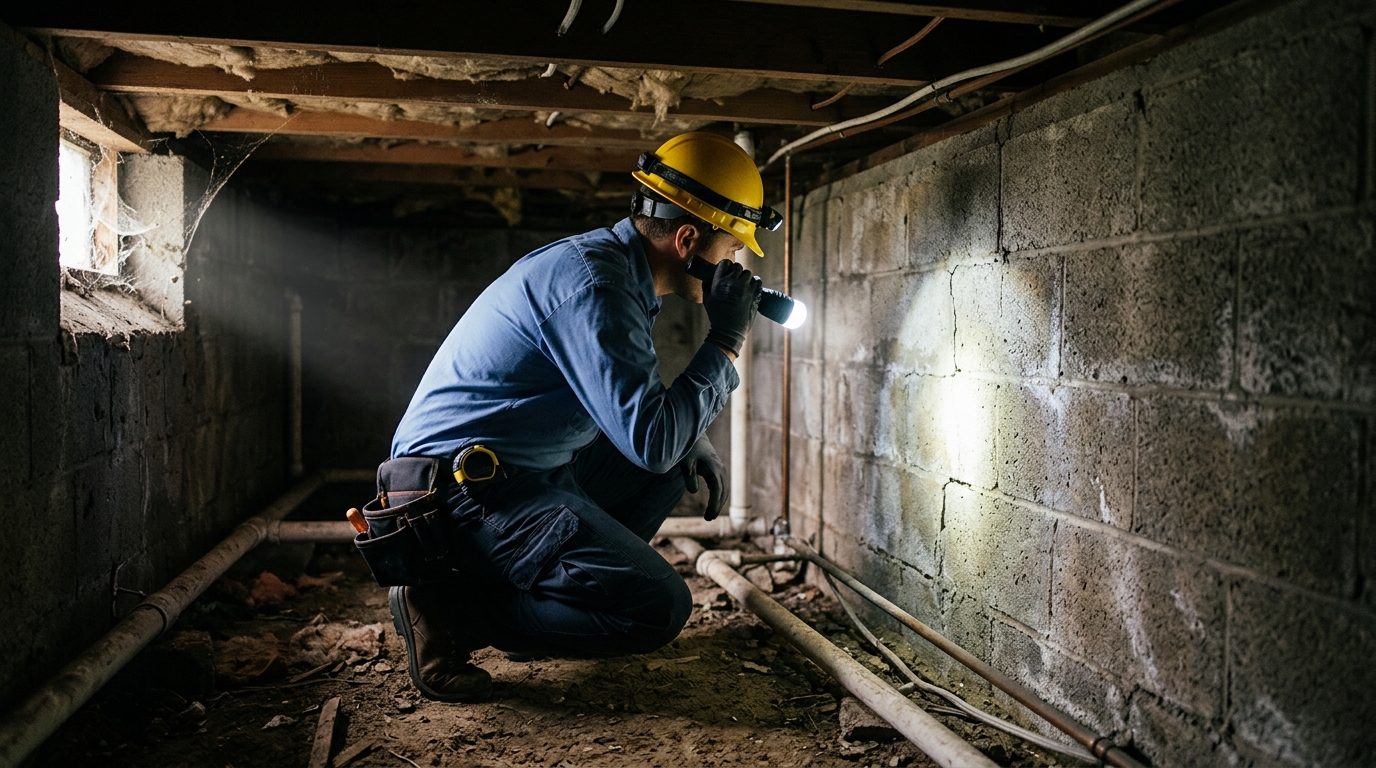
In Raleigh and Durham, many homes have crawlspaces that are especially vulnerable during the spring months. Rainwater, poor drainage, and rising humidity can create damp conditions beneath the home.
If a crawlspace lacks proper vapor barriers or ventilation, moisture can build quickly. This affects not only the structure but also the air inside the home, as humid air rises into living spaces.
Professional evaluations often reveal standing water, condensation, or deteriorating materials that homeowners are unaware of.
Exterior Drainage and Water Management
Spring rain can expose weaknesses in how water is directed away from your home. Improper grading, clogged gutters, and short downspouts can allow water to collect near the foundation.
Over time, this can lead to foundation movement, basement leaks, and increased moisture levels throughout the home. Addressing drainage issues early is one of the most effective ways to prevent structural damage.
The Connection Between Moisture and Termite Activity
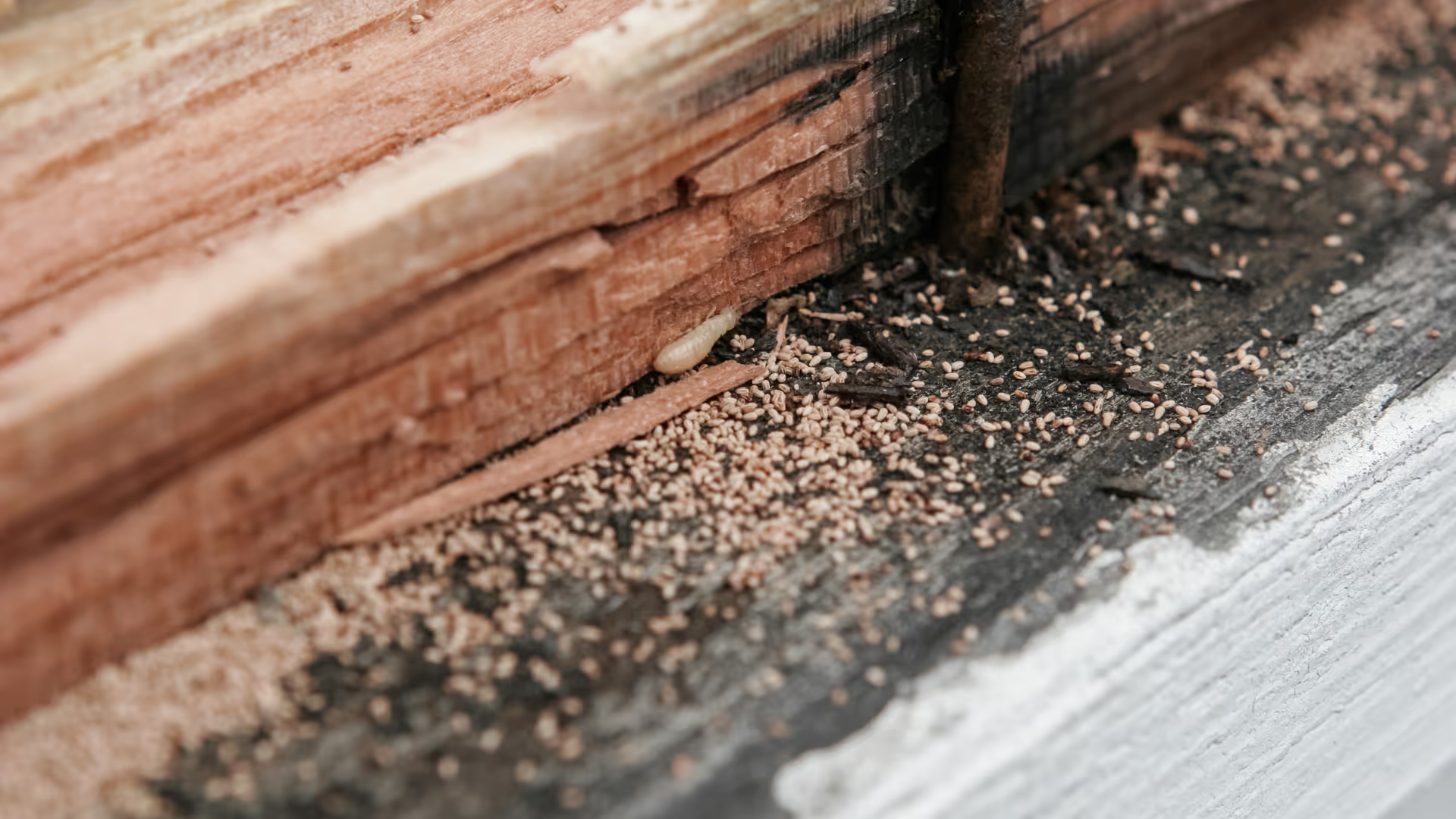
Moisture does more than just damage materials. It also creates ideal conditions for termite activity. Damp wood and humid environments make it easier for termites to infest and spread.
Crawlspaces with excess moisture, wood-to-soil contact, and poor drainage significantly increase the risk of a termite infestation. What begins as a moisture problem can quickly turn into a combined issue involving both structural damage and wood-destroying insects.
Why Early Detection Matters
Moisture-related problems rarely resolve on their own. They tend to worsen over time, affecting more areas and increasing repair costs. Identifying the source of moisture early allows homeowners to correct issues before they lead to mold growth or structural damage.
This is where professional home inspection services in Raleigh and Durham provide real value. A detailed inspection evaluates moisture-prone areas, identifies risk factors, and documents current conditions so you can take the right next steps.
Protecting Your Home This Spring
Managing moisture requires a proactive approach. Regular maintenance, proper drainage, and adequate ventilation all play important roles. However, many issues are not visible without a thorough inspection.
Delta Residential Home Inspections helps homeowners in Raleigh and Durham understand how seasonal conditions are affecting their property. With clear reporting and detailed evaluations, you gain the information needed to protect your home from mold, rot, and long-term structural damage. Wood-destroying insect inspections are also available to detect termite activity early.
Spring moisture is predictable, but serious damage is not. With the right insight and early action, you can keep your home dry, stable, and protected throughout the season.
NC Home Inspections
Starting at just $400.
Ensure your home is safe and sound. Book an inspection with our trusted professionals now!
NC Home Inspection tips
Explore essential tips for home inspections in Raleigh.